



Japan is a fascinating country with a rich mix of old traditions and modern ideas. Visitors can find peaceful temples beside busy city streets. They can enjoy quiet gardens, colorful markets, and advanced technology in the same trip. Japan is also known for its polite social customs, beautiful seasons, and unique food culture. Tokyo offers a fast city experience, while Kyoto gives travelers a closer look at traditional life. Other places offer mountains, beaches, hot springs, and historic towns. This variety makes Japan interesting for many types of travelers. A first visit can feel exciting but also confusing. There are many customs, transport choices, foods, and places to understand. This guide explains the country in simple terms. It covers culture, cities, nature, food, transportation, shopping, and useful travel habits.
Japan at a Glance
| Detail | Information |
| Country | Japan |
| Region | East Asia |
| Capital | Tokyo |
| Main Language | Japanese |
| Currency | Japanese yen (JPY) |
| Famous Cities | Tokyo, Kyoto, Osaka, Nara, Sapporo |
| Known For | Technology, temples, food, anime, gardens, trains |
| Popular Foods | Sushi, ramen, tempura, okonomiyaki |
| Famous Natural Features | Mount Fuji, forests, beaches, hot springs |
| Main Islands | Honshu, Hokkaido, Kyushu, Shikoku |
| Popular Seasons | Spring, autumn, winter, and summer |
| Travel Style | Cities, culture, nature, food, shopping, and history |
A Blend of Traditional and Modern Life
One reason Japan feels special is its balance between tradition and modern living. You may see people wearing traditional clothing near modern shopping centers. Old wooden buildings can stand close to tall office towers. This contrast appears in many Japanese cities. Traditional festivals remain important in local communities. At the same time, modern entertainment, technology, and design are major parts of daily life. Visitors can experience tea ceremonies, temples, gardens, and historic streets. They can also explore gaming centers, electronic stores, and creative fashion areas. This combination gives travelers many ways to explore the country. It also shows how culture can change while keeping older customs alive. For visitors, this balance creates a travel experience that feels both familiar and completely different.
Tokyo and Its Fast-Paced Energy
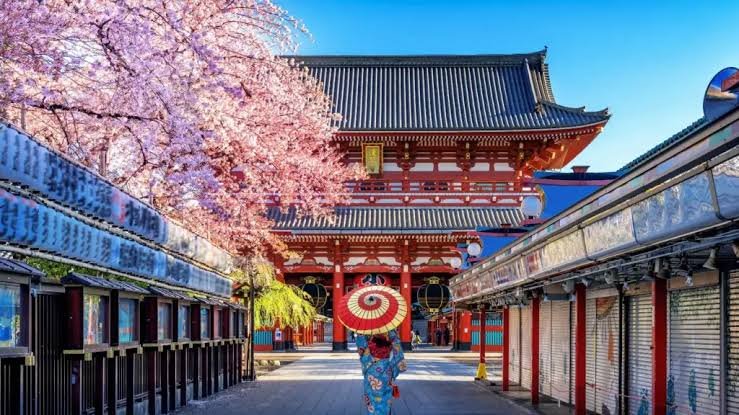
Tokyo is often the first destination people consider when planning a trip. The city has busy streets, large shopping areas, quiet parks, and countless restaurants. Different neighborhoods have very different personalities. Shibuya is known for its busy crossing and youthful atmosphere. Asakusa offers temples and traditional streets. Akihabara attracts visitors interested in games, electronics, and anime. Tokyo also has many museums, gardens, cafes, and observation areas. Public transportation makes it possible to explore many districts during one visit. However, the city can feel overwhelming at first. Planning a few areas each day can make sightseeing easier. Visitors should also leave some free time. Unexpected shops, small restaurants, and local streets can become memorable parts of the trip.
Kyoto and Traditional Culture
Kyoto is a popular choice for travelers who want to explore traditional Japanese culture. The city has temples, shrines, gardens, and historic neighborhoods. Many visitors enjoy walking through areas with traditional wooden buildings. Kyoto is also famous for seasonal beauty. Cherry blossoms create colorful spring scenes, while autumn brings rich red and orange leaves. The city has many famous attractions, but smaller streets can also offer peaceful moments. Visitors should respect quiet spaces when exploring temples and shrines. Some areas become very busy during peak travel seasons. Starting early can make popular locations more comfortable to visit. Kyoto also has a strong food culture. Local dishes, sweets, tea, and carefully prepared meals give travelers another way to understand the city’s traditions.
Osaka and Its Food Culture
Osaka has a lively atmosphere and a strong reputation for casual food. The city is especially popular with travelers who enjoy trying different dishes. Takoyaki and okonomiyaki are two famous local favorites. Osaka also has busy shopping streets, entertainment areas, and historic attractions. Dotonbori is one of its most recognizable areas. Bright signs and restaurants create a lively evening scene. Osaka Castle is another popular place for visitors. The city can also work well as a base for nearby destinations. Travelers can take short trips to places such as Nara and Kyoto. Osaka often feels more relaxed than Tokyo. Its friendly food culture makes it enjoyable for people who like exploring restaurants and markets. Trying small portions from different places can be a fun way to explore local flavors.
Japanese Food Worth Trying
Food is an important part of the Japan experience. Sushi is famous worldwide, but there is much more to discover. Ramen comes in many styles, with different broths and toppings. Tempura features lightly battered seafood and vegetables. Udon and soba offer simple but satisfying noodle meals. Travelers can also try yakitori, curry rice, donburi, and grilled dishes. Regional food is another important part of the culture. Different cities and areas have their own specialties. Convenience stores can also be useful for quick meals and snacks. Japanese bakeries offer another easy way to try local flavors. Visitors should remain open to unfamiliar dishes. Some of the best food experiences can happen in small restaurants without famous names. Food markets can also provide a fun introduction to local ingredients.
Japanese Temples, Shrines, and Customs
Temples and shrines are important cultural places throughout Japan. They are not simply sightseeing locations. Many are connected with history, community traditions, and religious practices. Visitors should behave respectfully when entering these spaces. Quiet voices are usually appropriate. Some locations have specific rules about photography. Visitors may also see people making offerings or following traditional rituals. It is helpful to observe others before taking part. Shoes may need to be removed in certain buildings. Cleanliness is another important cultural value. Many public places are kept very orderly. Visitors can show respect by following signs and local instructions. Learning a few basic customs before visiting can make the experience more comfortable. It also helps travelers avoid accidental disrespect while enjoying historic and spiritual places.
Japan Through Its Natural Beauty
Nature is another major reason people visit Japan. The country has mountains, forests, lakes, beaches, and volcanic landscapes. Mount Fuji is one of its best-known natural landmarks. Spring is famous for cherry blossoms, while autumn brings colorful foliage. Winter offers snow in northern and mountain areas. Summer can be ideal for beaches and outdoor festivals. Hot springs, known as onsen, are also part of Japanese travel culture. Rural areas can provide a slower experience than major cities. Hokkaido is known for wide landscapes and winter scenery. Okinawa offers warmer weather and beautiful coastal areas. Travelers should choose destinations based on the season. Weather can change greatly between regions. A good seasonal plan can make outdoor activities much more enjoyable.
Trains and Getting Around
Japan has a well-known rail network that connects many cities and regions. Trains are useful for both short city trips and longer journeys. High-speed trains, often called Shinkansen, connect major destinations. Local trains serve neighborhoods and smaller areas. Subway systems are especially useful in large cities. Station signs often include multiple languages, which can help international visitors. Still, large stations may feel confusing during the first visit. Keeping your destination name ready can help. Travelers should also check routes before leaving their hotel. Walking is another useful way to explore neighborhoods. Some attractions are close enough to reach on foot. Combining trains with walking can create a more relaxed sightseeing day.
Shopping and Japanese Design
Shopping in Japan can be an experience on its own. Large cities offer department stores, fashion shops, electronics stores, markets, and small specialty stores. Travelers can find traditional crafts alongside modern products. Station areas often have many useful shops and food stores. Souvenirs can include ceramics, stationery, snacks, textiles, and regional products. Japan is also known for careful product presentation. Even simple items may have attractive packaging. Visitors should consider luggage space before buying too much. Some stores provide tax-free shopping for eligible international travelers. Rules can vary, so checking current store information is helpful. Local markets can also offer more personal shopping experiences. Exploring smaller shops may reveal products that are difficult to find elsewhere.
Anime, Manga, and Popular Culture
Japanese popular culture has a large international audience. Anime and manga have influenced entertainment around the world. Tokyo has several areas where fans can explore related shops and attractions. Akihabara is especially associated with games, anime, manga, and electronics. Other cities also have specialty stores and themed experiences. Japanese pop culture extends beyond animation. Video games, music, fashion, collectibles, and character goods are also important. Visitors who enjoy these interests can create special itineraries around them. However, Japan’s culture is much broader than entertainment alone. Traditional arts, food, architecture, sports, and festivals remain important too. Exploring both modern and traditional sides can provide a more complete travel experience. This balance is one of the most interesting parts of visiting the country.
Japanese Seasons and the Best Travel Experience
The seasons can strongly affect a trip to Japan. Spring attracts visitors with cherry blossoms and mild weather. Summer brings festivals, greenery, and warmer temperatures. Autumn is popular for colorful leaves and comfortable sightseeing weather. Winter offers snow, winter sports, and seasonal food. Each season has advantages and different travel conditions. Popular periods can also bring larger crowds and higher demand. Travelers should consider their main interests before selecting dates. Someone interested in mountain scenery may prefer a different season than someone seeking city walks. Clothing should also match the regional weather. Japan stretches across several climate zones, so temperatures can differ greatly. Checking local weather before packing can prevent unnecessary problems during the trip.
Daily Life and Social Etiquette
Understanding everyday etiquette can make a visit smoother. Japan places strong value on politeness, cleanliness, and consideration for others. Public spaces are often kept quiet and orderly. People generally avoid creating unnecessary noise on public transportation. Queues are usually followed carefully. Visitors should also pay attention to signs and local instructions. Tipping is not generally part of normal restaurant culture. Cash remains useful in some situations, although card payments are common in many places. Removing shoes may be expected in certain homes and traditional establishments. Bowing is a common form of greeting, although visitors do not need to master every detail. A respectful attitude matters most. Simple habits like waiting your turn and keeping shared spaces clean can help travelers fit into local surroundings.
Planning a First Trip to Japan
A first trip becomes easier when the itinerary stays realistic. Trying to visit too many cities can create unnecessary stress. Choosing two or three main areas may provide more time for exploration. Travelers should consider transportation time when planning each day. Popular attractions may require advance reservations. Hotels near major stations can make transportation easier. A small amount of Japanese language knowledge can also help. Words such as “arigato” for thank you are useful and friendly. Travelers should keep important addresses saved offline. A translation tool can help with menus and signs. It is also wise to carry a backup payment method. Good planning does not mean scheduling every minute. Leaving room for spontaneous discoveries can make the trip more enjoyable.
Why Japan Appeals to Different Travelers
Japan can suit many different travel styles. History lovers can explore castles, temples, museums, and old neighborhoods. Food lovers can spend days discovering regional dishes. Nature lovers can visit mountains, forests, islands, and hot springs. Families can find attractions, parks, and interactive experiences. Shopping enthusiasts can explore fashion, crafts, electronics, and local goods. Photography lovers can find changing scenery throughout the year. Even travelers who prefer quiet trips can enjoy peaceful gardens and rural towns. The key is choosing destinations that match personal interests. A city-focused trip will feel very different from a nature-focused journey. There is no single way to experience Japan. Building a trip around your interests can make the journey more meaningful and memorable.
FAQs About Japan
1. What is Japan best known for?
Japan is known for its rich culture, food, technology, temples, trains, anime, and natural beauty. Many visitors also enjoy its seasonal scenery. Cherry blossoms, autumn leaves, mountains, and hot springs attract travelers throughout the year. Major cities provide modern attractions, while smaller towns offer traditional experiences. Japanese cuisine is another major attraction. Sushi, ramen, tempura, and regional dishes are popular with international visitors. The country’s mix of historic customs and modern lifestyles also makes it distinctive. Travelers can explore ancient temples in the morning and modern shopping districts later. This variety gives visitors many different experiences during one trip.
2. Is Japan suitable for first-time travelers?
Yes, many first-time travelers find Japan manageable with basic planning. Major cities have extensive transportation systems and many useful signs. Tourist areas often provide information in multiple languages. However, large train stations can initially feel complicated. Planning routes before leaving can reduce stress. Travelers should also learn a few simple customs. Keeping hotel information and important addresses available can be helpful. A flexible itinerary is often better than an overloaded schedule. Visitors should also research seasonal weather before packing. With preparation, travelers can focus more on enjoying food, culture, nature, and local neighborhoods.
3. What food should visitors try in Japan?
Visitors can try sushi, ramen, tempura, udon, soba, yakitori, and okonomiyaki. Regional specialties are also worth exploring. Osaka is associated with dishes such as takoyaki and okonomiyaki. Kyoto offers traditional meals and tea-related foods. Different areas have their own ingredients and cooking styles. Convenience stores can also provide affordable snacks and quick meals. Travelers should explore small restaurants instead of visiting only famous locations. Menus may contain unfamiliar items, so translation tools can help. Trying new foods can become one of the most memorable parts of a trip. Visitors with allergies should communicate their needs clearly before ordering.
4. What is the best season to visit Japan?
The best season depends on what you want to experience. Spring is popular for cherry blossoms and mild weather. Autumn offers colorful leaves and comfortable temperatures in many regions. Winter can be excellent for snow and winter sports. Summer provides festivals, greenery, and warmer coastal experiences. Each season also has busy travel periods. Weather differs between northern and southern parts of the country. Travelers should check conditions for their specific destinations. Booking popular hotels and activities early can also be helpful during busy periods. Choosing dates around your main interests can make the journey more enjoyable.
5. How many days are enough for Japan?
There is no single ideal trip length because Japan has many regions. A week can provide a useful introduction to major destinations. Ten to fourteen days can allow more time for cities and cultural sites. Longer trips can include rural areas, islands, and seasonal attractions. Travelers should avoid spending most of their trip moving between hotels. Fewer destinations can provide more time for meaningful exploration. Tokyo, Kyoto, and Osaka can create a varied first itinerary. Travelers can then add destinations based on personal interests. The right length depends on budget, available vacation time, and preferred travel pace.
6. What should travelers know before visiting Japan?
Travelers should learn basic etiquette, check transportation routes, and understand seasonal weather. They should also keep important travel information available offline. Comfortable walking shoes are useful because sightseeing often involves walking. Visitors should respect signs at temples, shrines, shops, and public places. It can also help to carry a payment backup. Some smaller businesses may have different payment options. Travelers should research opening hours because some attractions have limited schedules. A simple itinerary can prevent unnecessary rushing. Most importantly, visitors should stay curious and respectful. Taking time to observe local customs can make the experience more comfortable and rewarding.
Conclusion
Japan offers a remarkable mix of history, modern life, nature, food, and entertainment. Its cities can feel exciting, while rural areas can feel calm and peaceful. Every season adds something different to the travel experience. A good trip does not require visiting every famous attraction. It is often better to slow down and enjoy each place. Try local foods, explore neighborhood streets, and learn a few cultural customs. Leave some space for unexpected discoveries. Whether you love temples, technology, food, nature, or pop culture, Japan offers many ways to explore. Careful planning can make the journey easier, but curiosity makes it memorable. Start with the places that interest you most. Then build a simple itinerary around your own travel style.