



Brazil is a country filled with color, energy, and natural beauty. It is the largest country in South America. Visitors often know it for football, beaches, music, and Carnival. Yet the country offers much more than these famous attractions. Huge forests, powerful rivers, busy cities, and quiet coastal towns create an amazing mix. Different communities have also shaped its food, art, music, and everyday traditions.
A trip through Brazil can feel like visiting several places at once. One region may offer modern city life. Another may have tropical forests and rare animals. Coastal areas provide long beaches and warm weather. Local dishes also change as you travel. This guide explores the country’s geography, culture, food, nature, cities, and travel experiences. It gives new visitors a simple starting point while offering useful facts for curious readers.
Brazil Country Profile
| Detail | Information |
| Country Name | Federative Republic of Brazil |
| Continent | South America |
| Capital | Brasília |
| Largest City | São Paulo |
| Official Language | Portuguese |
| Currency | Brazilian real |
| Approximate Area | 8.5 million square kilometers |
| Major River | Amazon River |
| Famous Rainforest | Amazon rainforest |
| Famous Festival | Carnival |
| Popular Sport | Football |
| Major Cities | São Paulo, Rio de Janeiro, Brasília, Salvador, Recife |
| Famous Landmark | Christ the Redeemer |
| Major Natural Area | Amazon Basin |
| Popular Foods | Feijoada, pão de queijo, brigadeiro, acarajé |
| Famous Dance and Music | Samba |
| Coastline | Atlantic Ocean |
| Time Zones | Multiple time zones |
| Climate | Tropical and subtropical, with regional differences |
| Known For | Football, Carnival, beaches, rainforest, music, and wildlife |
Where Is Brazil Located?
Brazil covers a huge part of eastern and central South America. Its eastern side faces the Atlantic Ocean. The country shares borders with most South American nations. Its large size creates major differences between regions. Northern areas include much of the Amazon rainforest. Central areas contain grasslands, wetlands, farms, and growing cities. Southern regions can experience cooler temperatures during winter.
Geography has a strong effect on local lifestyles. People living near the coast may have different foods and traditions from inland communities. The landscape also changes greatly across long journeys. Travelers can move from crowded streets to forests, mountains, waterfalls, or sandy beaches. This variety makes the country especially interesting for nature lovers. Understanding its size is important when planning a trip because destinations can be hundreds or thousands of kilometers apart.
The Natural Beauty of Brazil
Nature is one of the biggest reasons people become interested in Brazil. The country contains rainforests, wetlands, rivers, mountains, islands, waterfalls, and beaches. Each environment supports different plants and animals. The Amazon is the best-known natural region, but it is only part of the story. The Pantanal is another remarkable area. This enormous wetland provides opportunities to see wildlife in natural surroundings.
The Atlantic coast adds another side to the landscape. Long stretches of sand sit beside lively towns and major cities. Inland areas include waterfalls, caves, valleys, and open grasslands. Because distances are large, travelers should choose regions carefully instead of trying to see everything quickly. A focused journey often creates a better experience. Spending more time in fewer locations also gives visitors a chance to understand local nature and communities.
Exploring the Amazon Rainforest
The Amazon rainforest is closely connected with Brazil in the minds of people worldwide. Much of this vast forest lies inside the country’s northern region. The Amazon Basin contains rivers, trees, insects, birds, fish, and many other forms of life. Some areas are remote, while others can be reached from cities such as Manaus. Guided experiences can introduce travelers to river landscapes and forest environments.
Visiting rainforest areas requires thoughtful planning. Weather can be hot, wet, and humid. Conditions may change depending on the season and location. Responsible tours can help travelers learn without causing unnecessary damage. Local guides may also explain plants, wildlife, waterways, and regional traditions. Visitors should respect protected environments and community rules. The Amazon is not simply a tourist attraction. It is a huge living ecosystem with environmental, cultural, and scientific importance.
Famous Cities Worth Discovering
Cities show another exciting side of Brazil. São Paulo is a vast urban center known for business, restaurants, museums, nightlife, and cultural diversity. Rio de Janeiro offers a very different setting. Mountains rise beside urban neighborhoods and famous Atlantic beaches. Brasília stands out because of its planned design and striking modern architecture. Salvador is known for music, food, history, and strong Afro-Brazilian cultural influence.
Smaller cities also deserve attention. Coastal communities can provide a slower travel experience, while historic towns may feature older streets and architecture. Each destination has its own rhythm. Travelers should avoid assuming that one city represents the whole country. Spending time in different regions reveals changes in food, accents, music, weather, and daily routines. That regional diversity is one reason a longer journey can remain interesting from beginning to end.
Rio de Janeiro and Its Famous Scenery
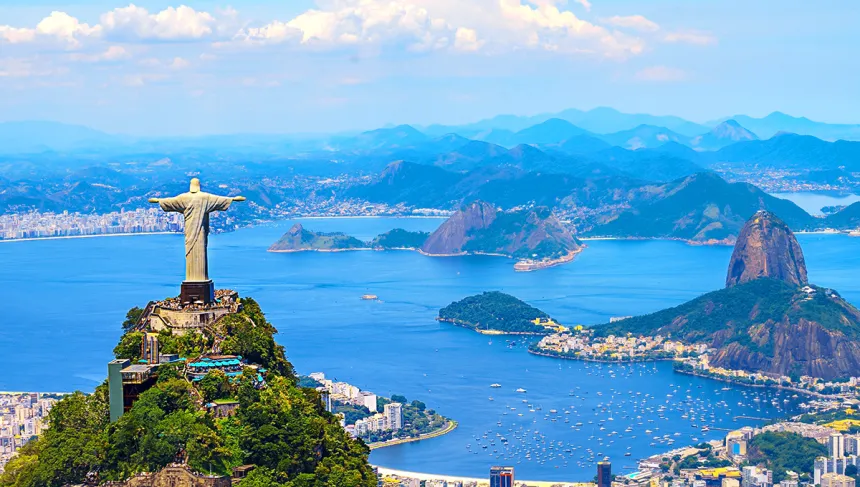
Rio de Janeiro is among the most recognized destinations in Brazil. Its landscape combines mountains, beaches, forests, and dense city neighborhoods. Copacabana and Ipanema are famous coastal areas where visitors can enjoy walking, swimming, sports, and local street life. Sugarloaf Mountain provides dramatic views across the city. Christ the Redeemer is another landmark closely linked with Rio’s global image.
The city’s appeal goes beyond famous photographs. Music, neighborhood restaurants, markets, parks, and cultural spaces provide deeper experiences. Travelers should plan their days based on distance and transport needs because Rio is a large city. Like other major urban destinations, conditions can vary by neighborhood and time. Sensible travel habits are useful. Exploring with awareness allows visitors to focus on Rio’s remarkable mix of natural scenery, urban energy, and cultural traditions.
Why Football Has Such a Strong Cultural Role
Football is deeply connected with popular culture across Brazil. Children often play in parks, streets, schools, beaches, and sports grounds. Professional clubs have passionate supporters, while major matches can create an exciting atmosphere. The country has also produced many internationally famous players. Football therefore appears in conversations, clothing, entertainment, and family traditions.
Visitors do not need to be serious sports fans to notice its influence. A local match can show how strongly communities connect with their teams. Beach football and casual games provide another view of the sport. At the same time, Brazilian culture should never be reduced to football alone. Music, literature, art, dance, regional celebrations, and food are equally important parts of daily life. Football is best understood as one famous piece of a much larger cultural picture.
Brazilian Food and Flavors to Explore
Food provides an enjoyable way to understand Brazil. Recipes differ greatly between regions because local ingredients and cultural influences vary. Feijoada is one of the best-known dishes. It usually combines beans with meat and is served with side dishes. Pão de queijo consists of small cheese breads that are popular as snacks. Brigadeiro is a sweet chocolate treat often found at celebrations.
Regional foods add even more variety. Bahia is famous for dishes shaped strongly by African culinary traditions. Coastal areas commonly feature seafood. Tropical fruits and fresh juices are widely enjoyed in many locations. Travelers should try neighborhood restaurants, bakeries, food markets, and regional specialties instead of eating only familiar international meals. Asking local people about favorite dishes can uncover memorable foods that never appear on a standard tourist checklist.
Music, Dance, and Carnival Traditions
Music is an important part of life throughout Brazil. Samba is internationally famous, but the country’s musical world includes many more styles. Bossa nova, forró, funk, sertanejo, axé, and other genres have different histories and audiences. Music can be heard at concerts, festivals, restaurants, family events, and community celebrations. Dance is often closely connected with these musical traditions.
Carnival is the country’s most internationally recognized celebration. However, Carnival experiences differ between cities and regions. Rio is famous for samba school parades, while Salvador is known for huge street celebrations. Recife and Olinda have their own strong traditions. Visitors attending major festivals should arrange accommodation and transportation early. Rather than viewing Carnival only as a party, travelers can learn about the music, costumes, community groups, craftsmanship, and months of preparation behind the celebration.
Beaches and Coastal Experiences
The long Atlantic coastline gives Brazil an impressive range of beaches. Some sit beside large cities, while others are found near small communities and natural areas. Rio’s beaches are internationally famous, but travelers can discover beautiful coastal destinations in Bahia, Santa Catarina, Pernambuco, Ceará, and many other states. Beach experiences range from energetic urban areas to peaceful stretches of sand.
Conditions are not identical everywhere. Waves, currents, weather, water temperature, and facilities can change between locations. Travelers should follow local safety signs and advice before swimming. Coastal trips can also include boat tours, seafood meals, walking trails, surfing, and visits to nearby villages. Instead of choosing a beach only because it is famous online, consider your preferred atmosphere. Families, surfers, photographers, and people seeking quiet surroundings may each prefer different coastal destinations.
Wildlife and Outdoor Adventures
Wildlife lovers have many reasons to explore Brazil. The country’s different ecosystems support monkeys, colorful birds, reptiles, fish, and many other species. The Pantanal is particularly famous for wildlife watching because its open landscapes can make animals easier to observe. Forest areas offer different experiences, where visitors may focus on birds, insects, plants, and river life.
Outdoor adventures can include hiking, kayaking, wildlife tours, snorkeling, surfing, and waterfall visits. The best activity depends on the destination and season. A trained local guide can be valuable in unfamiliar natural environments. Responsible travelers should avoid touching, feeding, or disturbing wild animals. They should also keep waste out of natural areas. Small choices help protect the places people travel so far to experience. Nature becomes more rewarding when visitors observe it with patience and respect.
Language and Everyday Communication
Portuguese is the official language of Brazil. This surprises some first-time visitors who assume Spanish is spoken everywhere in South America. Portuguese and Spanish share similarities, but they are different languages. Learning a few Portuguese words can make everyday travel easier. Simple greetings, polite expressions, numbers, and food terms are useful in restaurants, shops, hotels, and transport situations.
English ability varies greatly between places and individuals. Tourist areas may have more English-speaking workers than smaller towns. Translation apps can help when conversations become difficult. Still, making an effort with basic Portuguese can create warmer interactions. Speak clearly and remain patient if communication takes time. Language is more than a travel tool. It also provides clues about humor, music, customs, and social life. Even a small amount of local vocabulary can make a journey feel more personal.
When Is a Good Time to Visit?
There is no single perfect month for visiting Brazil because the country is enormous. Weather differs between northern, southern, inland, and coastal areas. A month that works well for one destination may bring heavy rain or different temperatures somewhere else. Travelers should research the exact region they plan to visit rather than relying on one national weather description.
Festival dates also affect travel plans. Carnival attracts large crowds and can increase demand for rooms and transport. Travelers seeking a quieter holiday may prefer another period. Wildlife trips can also depend on seasonal conditions. Beach visitors should research rainfall, temperature, and sea conditions for their chosen coast. Before booking, compare climate patterns, local events, prices, and activities. This simple preparation can make the trip more comfortable and prevent avoidable surprises.
Practical Tips for First-Time Visitors
Planning ahead can make a journey through Brazil much easier. Start by choosing a small number of destinations. The country is too large to explore fully during a short holiday. Check travel times carefully because two places that look close on a map may require a long journey. Book important flights and accommodation early during popular festivals and holiday periods.
Keep digital and physical copies of important travel information. Use trusted transportation services and follow current local guidance. Ask hotel staff or experienced local guides about areas you plan to explore. Travel insurance may also be worth considering for international trips. Pack according to the exact region, season, and planned activities. Most importantly, leave some free time in your schedule. Markets, cafés, parks, neighborhood walks, and unexpected conversations often become some of the most memorable parts of a journey.
Culture, Diversity, and Local Life
The culture of Brazil developed through many historical and regional influences. Indigenous peoples have deep roots across the land. African heritage has strongly shaped food, religion, language, music, and dance. European migration also influenced architecture, traditions, and communities. Later migration from Asia, the Middle East, and other regions added further layers to the country’s social life.
This diversity means there is no single Brazilian experience. Customs can change between states, cities, and even neighborhoods. Visitors may notice different accents, recipes, music styles, and celebrations as they travel. Respectful curiosity is the best approach. Listen to local people rather than relying only on stereotypes. Visiting museums, markets, cultural centers, and community events can provide a fuller picture. Understanding diversity makes travel more meaningful and helps visitors see the country beyond famous tourist images.
Why Brazil Leaves a Lasting Impression
Brazil stands out because so many different experiences exist within one country. A traveler might explore a huge city, relax beside the ocean, watch wildlife, taste regional food, and hear live music during the same journey. Its landscapes can be dramatic, but everyday experiences can be equally memorable. A simple meal or conversation may reveal more about local life than a crowded attraction.
The best journeys usually balance famous landmarks with slower exploration. Take photographs, but also spend time observing what happens around you. Try unfamiliar foods. Learn a few Portuguese expressions. Visit cultural spaces and support responsible local tourism where possible. Most importantly, remember that no single trip can show everything. The country’s enormous size and regional diversity give curious travelers plenty of reasons to keep learning long after they return home.
Conclusion
From the Amazon rainforest to Atlantic beaches, Brazil offers an extraordinary mixture of landscapes and cultures. Its cities bring music, architecture, restaurants, art, and busy daily life. Natural regions provide rivers, forests, wetlands, waterfalls, and wildlife. Regional dishes and celebrations add another layer to every journey. These differences make careful planning especially important.
A rewarding visit does not require seeing every famous attraction. Choose places that match your interests and give yourself enough time to experience them. Learn about local customs before traveling and approach communities with respect. Research seasonal conditions for each destination and stay flexible when plans change. Whether you love nature, food, football, beaches, music, or city adventures, there is plenty to discover. Use this guide as a starting point, then build a journey around the experiences that interest you most.
FAQs
1. What is Brazil most famous for?
It is famous for the Amazon rainforest, football, Carnival, samba, beautiful beaches, and diverse wildlife. Rio de Janeiro is also known worldwide for Christ the Redeemer and its coastal scenery. However, the country offers much more. Different regions have unique foods, music, landscapes, architecture, and traditions.
2. What language is spoken in Brazil?
Portuguese is the country’s official language. It is used in schools, businesses, media, transport, and everyday communication. Travelers can benefit from learning simple Portuguese greetings and common phrases. English may be spoken in some tourist areas, but visitors should not expect everyone to understand it.
3. What foods should tourists try?
Popular choices include feijoada, pão de queijo, brigadeiro, and regional seafood dishes. Acarajé is another well-known food, especially connected with Bahia. Food traditions differ between regions, so visitors should explore local restaurants and markets. Fresh tropical fruits and juices are also worth trying.
4. Is the Amazon worth visiting?
The Amazon can provide an unforgettable experience for people interested in forests, rivers, wildlife, and ecology. Visitors should choose responsible tours and prepare for local weather conditions. A knowledgeable guide can make the experience more informative while helping travelers follow appropriate safety and environmental practices.
5. Which cities are popular with travelers?
Rio de Janeiro and São Paulo are two internationally known destinations. Salvador attracts visitors interested in food, music, history, and Afro-Brazilian culture. Brasília is known for modern architecture and urban design. Many smaller coastal and historic cities also provide rewarding experiences away from the largest urban centers.
6. How many days are needed for a trip?
The right length depends on the destinations you choose. Because distances can be very large, a short trip is usually better when focused on one or two areas. Travelers with two weeks or longer can explore several regions more comfortably. Avoid filling every day with long transfers. Extra time makes the journey more relaxed and enjoyable.